

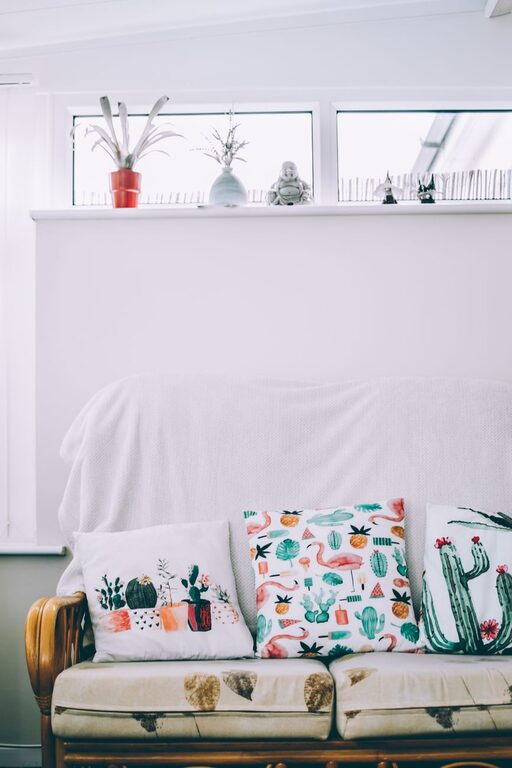
If you have a room that feels dark, cramped, or just a little gloomy, don’t worry—you’re not alone. Many homes have rooms that don’t get enough natural light or have dark walls and furnishings that absorb light rather than reflect it. The good news is there are plenty of quick, affordable ways to brighten up those spaces and create a more inviting atmosphere.
In this post, we’ll explore some practical and easy-to-implement ideas to transform your dark room into a bright, cheerful space. These tips can work for any room in the house, whether it’s a bedroom, living room, or even a windowless bathroom.
1. Use Light Colors on Walls and Ceilings
One of the fastest ways to brighten a room is by repainting it with lighter shades.
– Choose whites or soft neutrals: White, cream, light gray, or pastel tones reflect more light and make a room feel larger and airier.
– Paint the ceiling a bright white: Ceilings that are painted a lighter color bounce light back down into the room, enhancing the overall brightness.
– Consider satin or eggshell finishes: These finishes reflect light better than matte, but without too much shine.
Even if you don’t want to repaint all walls, focusing on one or two walls or the ceiling can still make a significant difference.
2. Add Mirrors to Reflect Light
Mirrors are a classic design trick to amplify light and open up a space visually.
– Place a mirror opposite or near a window: This arrangement allows natural light to bounce around the room.
– Use large mirrors: Bigger mirrors create more reflection and make rooms feel more expansive.
– Try multiple small mirrors in a grid or artistic arrangement: This adds style and distributes light well.
Mirrors don’t have to be expensive. You can find affordable options or even create a DIY mirror gallery wall.
3. Optimize Artificial Lighting
Good lighting is key, especially in rooms that don’t get much natural light.
– Layer your lighting: Combine overhead lighting, floor lamps, table lamps, and accent lights for a balanced effect.
– Use warm-white LED bulbs: These bulbs provide bright light while keeping the atmosphere cozy.
– Consider smart lights: With smart bulbs, you can adjust brightness and color temperature to suit your mood and time of day.
– Avoid harsh overhead lights: Use diffusers or lampshades to soften the light and reduce shadows.
Pay special attention to corners and dark spots by placing light sources nearby.
4. Keep Window Treatments Light and Simple
Window coverings can block light if they’re heavy or dark.
– Use sheer curtains or light-colored blinds: These allow sunlight to filter in without sacrificing privacy.
– Avoid bulky drapes: If you want curtains, choose lightweight fabrics that don’t absorb light.
– Position curtain rods above window frames: This lets you open curtains fully and maximize natural light.
Also, keep windows clean, inside and out, to make sure as much light as possible comes through.
5. Use Reflective and Light Furniture
Furniture choice plays a big role in how light interacts in a room.
– Go for light-colored or white furniture: Wood furniture painted white or in light finishes reflects more light.
– Choose glass or mirrored furniture: Coffee tables, side tables, or dressers with glass tops or mirrored surfaces bounce light around.
– Avoid overly bulky furniture: Big, dark pieces can absorb light and make a room feel cramped.
If replacing furniture isn’t an option, adding light throw blankets or pillows can help brighten the look.
6. Add Pops of Bright Colors and Metallics
Bright accents can make a room feel lively and more illuminated.
– Use colorful artwork, cushions, or rugs: These add visual interest and lift up the room’s energy.
– Incorporate metallic or shiny finishes: Gold, silver, or copper accents reflect light and add warmth.
– Consider fresh flowers or green plants: They bring life and color, which visually brighten a room.
These accents are easy to change seasonally to keep your space feeling fresh.
7. Declutter and Simplify
A cluttered room can feel darker and more cramped.
– Keep surfaces clear: Remove unnecessary items and organize shelves.
– Use open storage: Glass or acrylic storage units feel less heavy and block less light.
– Let light flow: Arrange furniture to avoid blocking windows and light sources.
Simplifying your space helps light travel freely and keeps the room bright.
8. Incorporate Translucent or Light-Filtering Elements
Using materials that let light pass through can brighten a room subtly.
– Glass or acrylic lampshades: These diffuse light while allowing brightness.
– Sheer room dividers or panels: Instead of solid partitions, use materials that don’t block light completely.
– Light-colored rugs: They reflect light off the floor instead of absorbing it like dark rugs.
These small details add up to a brighter overall feel.
Final Thoughts
Brightening a dark room doesn’t have to mean a full remodel or expensive upgrades. Simple changes to wall colors, lighting, furniture, and decor can create a big impact. Experiment with these ideas to find what works best for your space and style. A brighter room not only looks better, but it can also boost your mood and make your home feel more welcoming.
Try one or a few of these tips today and see how easy it is to bring more light into your living space!