

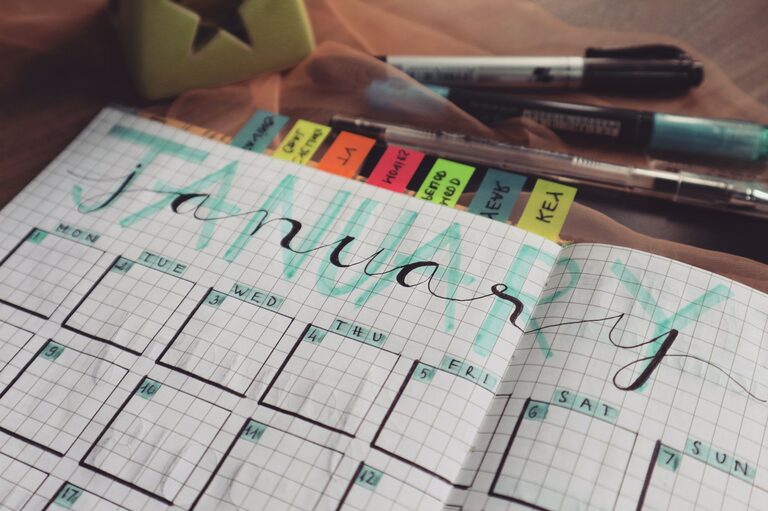
Taking time to unwind and recharge over the weekend is essential for maintaining balance and reducing stress. However, busy schedules, obligations, and poor planning can turn your weekend into another source of tension rather than rest. By approaching your weekend intentionally, you can create a calm and enjoyable break that leaves you refreshed. In this post, we’ll explore practical steps to plan a no-stress weekend that feels both relaxing and fulfilling.
Why Planning Your Weekend Matters
Without a plan, weekends can quickly fill with last-minute errands, work catch-up, or social obligations, which may lead to stress rather than relaxation. Planning helps you:
– Prioritize what matters most to you
– Allocate time for rest and fun
– Avoid feeling overwhelmed or rushed
– Create a sense of control and peace
The goal isn’t to overbook yourself but to prepare thoughtfully so your weekend supports your well-being.
Step 1: Set Clear Intentions
Start by deciding what you want your weekend to feel like. Do you want mostly rest? Time with loved ones? Outdoor adventure? Creative activities? Write down a few key intentions such as:
– Relax and disconnect from work
– Spend quality time with family
– Enjoy quiet reading and reflection
– Get outside for fresh air and exercise
Having these intentions in mind will guide your choices and help you say no to activities that don’t align with your goals.
Step 2: Prioritize Your Tasks and Commitments
Make a list of errands, chores, or appointments you must address. Then ask:
– Can any tasks be rescheduled or deferred?
– What can I delegate or simplify?
– Which tasks are necessary and which are optional?
Limiting your to-do list reduces pressure. Focus only on high-priority or unavoidable items. You can also batch similar chores together, like grocery shopping and house cleaning, to free up more time.
Step 3: Schedule Down Time and Fun Activities
Use a simple planner or calendar to block time for rest and activities that bring you joy. Include:
– Relaxing activities such as reading, meditating, or watching a favorite show
– Creative hobbies like painting, cooking, or gardening
– Physical activity such as walking, yoga, or biking
– Social time with friends or family (virtual or in-person)
Scheduling these moments ensures they aren’t overlooked. Remember, no-stress weekends balance productivity with plenty of downtime.
Step 4: Prepare in Advance
To reduce weekend stress, try to prepare on Friday evening or earlier:
– Meal prep or plan simple meals for the weekend
– Lay out comfortable clothes or gear for outdoor plans
– Organize your space to create a calm environment
– Set your out-of-office messages or limit work notifications
These small preparations can free up your mental space and prevent last-minute chaos.
Step 5: Embrace Mindfulness and Flexibility
Even the best plans can change due to unexpected events or shifts in energy. Practice being present and flexible:
– Focus on enjoying the current moment rather than what’s next
– Adjust plans if you feel tired or overwhelmed
– Let go of guilt if you need extra rest or decide to skip activities
– Use breathing exercises or meditation to ease tension
Mindfulness helps you stay centered and appreciate your weekend fully.
Simple Weekend Routine Example
Here’s a balanced example of a no-stress weekend schedule:
Saturday
– Morning: Gentle stretching or yoga and a healthy breakfast
– Late morning: Errands or household tasks (limit to 2 hours)
– Afternoon: Outdoor walk or hobby time
– Evening: Comfort food dinner and watching a favorite movie
Sunday
– Morning: Leisurely coffee and reading
– Late morning: Connect with friends or family (call or visit)
– Afternoon: Relaxation, such as a bubble bath or meditation
– Evening: Early bedtime to prepare for the week
Additional Tips for a Stress-Free Weekend
– Limit screen time and social media to avoid information overload
– Stay hydrated and nourish your body with wholesome foods
– Connect with nature, even if it’s just sitting outside or caring for plants
– Avoid overcommitting; learn to say no politely
– Practice gratitude by reflecting on what you’re thankful for
Final Thoughts
A no-stress weekend is not about being perfectly productive or doing everything on a checklist. It’s about honoring your needs for rest, connection, and joy. Thoughtful planning combined with a gentle mindset can make your weekends truly restorative. Try these tips and see how taking control of your weekend transforms your overall well-being.
Remember, relaxation is a vital part of a healthy lifestyle — your weekend is the perfect time to nurture it.