

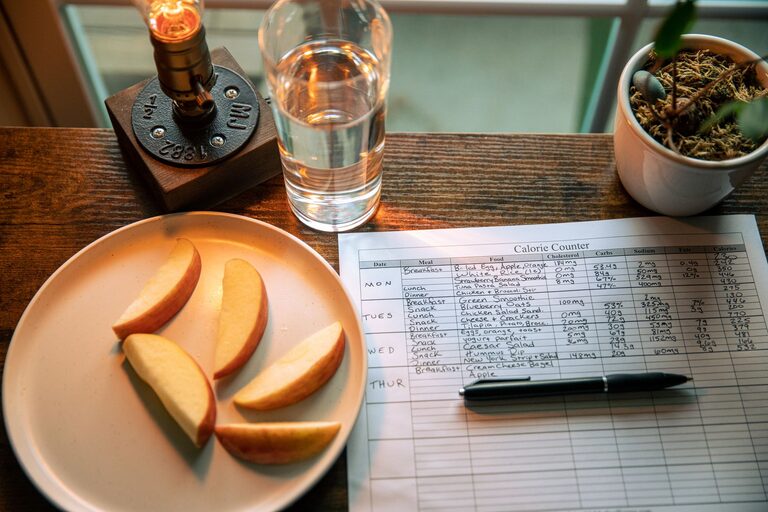
Planning balanced meals doesn’t have to be overwhelming or time-consuming. With a few straightforward strategies, you can create nutritious and satisfying meals that support your health and lifestyle—all without the stress. Whether you’re new to meal planning or just looking to simplify the process, this guide offers practical tips and ideas to help you enjoy mealtime and make nourishing choices easily.
Why Plan Balanced Meals?
Balanced meals provide your body with the essential nutrients it needs to function well. This includes a good mix of carbohydrates, proteins, fats, vitamins, and minerals. Eating balanced meals regularly can increase your energy, support overall health, and improve mood. When you plan your meals ahead, you also save time, reduce food waste, and avoid last-minute unhealthy choices.
Steps to Stress-Free Meal Planning
1. Understand What a Balanced Meal Looks Like
A balanced meal usually includes:
– Protein: Such as chicken, fish, beans, tofu, or eggs.
– Carbohydrates: Whole grains like brown rice, quinoa, or whole wheat bread.
– Vegetables: A variety of colorful veggies to provide fiber and nutrients.
– Healthy Fats: Avocado, nuts, olive oil, or seeds.
– Fruits: For natural sweetness and extra vitamins.
Keep in mind portion sizes can vary depending on your individual needs.
2. Start with a Weekly Meal Plan Template
Create a simple template outlining:
– Breakfast
– Lunch
– Dinner
– Snacks (optional)
Planning a week ahead helps you organize your grocery list and reduces decision fatigue.
3. Choose Recipes You Enjoy and Can Easily Prepare
Pick meals that fit your schedule and cooking skills. For busy days, consider quick recipes or one-pot meals. Save more complex recipes for weekends or days when you have extra time.
4. Batch Cook and Use Leftovers Wisely
Cooking larger portions and storing leftovers can save time. For example, roast extra vegetables or cook a big pot of soup to enjoy throughout the week. Leftovers also reduce food waste and meal prep stress.
5. Keep Your Pantry and Fridge Stocked with Basics
Having staple foods on hand makes meal planning easier. Stock up on items like:
– Canned beans
– Frozen vegetables
– Whole grains
– Herbs and spices
– Healthy oils
These ingredients allow you to put meals together quickly without frequent grocery trips.
Tips for Making Meal Planning Work for You
Plan Around Your Schedule
Identify days when you have more or less time for cooking. Plan simpler meals for busier days and save more elaborate dishes for when you can relax in the kitchen.
Mix and Match Ingredients
Create meals by combining different proteins, grains, and vegetables so your meals don’t get repetitive. For example, grilled chicken can be served with quinoa and steamed broccoli one day, and tossed into a salad the next.
Use Technology to Your Advantage
Meal planning apps and grocery list tools can make the process smoother. Some apps even suggest recipes based on ingredients you already have.
Don’t Aim for Perfection
Balanced meals don’t have to be perfect every time. The goal is to make consistent, nourishing choices that work for you. It’s okay to have occasional treats or quick convenience meals.
Simple Balanced Meal Ideas to Get Started
Breakfast
– Greek yogurt with fresh berries and a sprinkle of nuts
– Oatmeal topped with banana slices and a spoonful of almond butter
– Whole grain toast with avocado and a boiled egg
Lunch
– Quinoa salad with chickpeas, cucumber, cherry tomatoes, and a lemon dressing
– Whole wheat wrap filled with grilled chicken, spinach, and hummus
– Lentil soup with a side of mixed greens
Dinner
– Baked salmon with roasted sweet potatoes and steamed green beans
– Stir-fried tofu with brown rice and mixed vegetables
– Turkey chili with black beans and a side of whole grain bread
Snacks
– Apple slices with peanut butter
– Carrot sticks and hummus
– A small handful of mixed nuts
Final Thoughts
Meal planning is a powerful tool for creating a healthy, balanced diet without the last-minute scramble. By understanding basic nutrition, preparing in advance, and keeping your meals simple and enjoyable, you can take the stress out of mealtime. Start small, be flexible, and allow your plan to evolve with your tastes and schedule. With practice, planning balanced meals will become a natural and rewarding part of your routine.